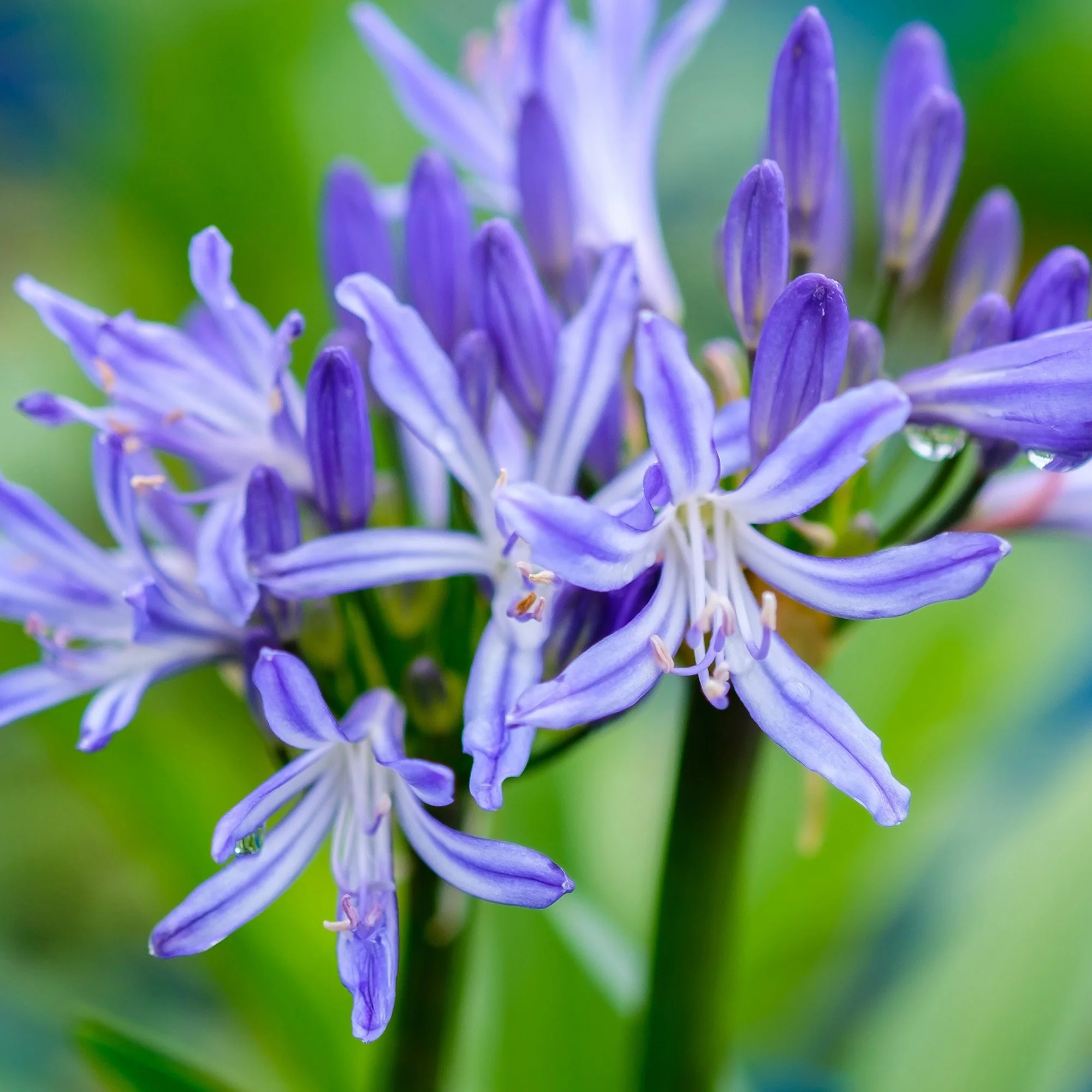


Agapanthus 'Headbourne Hybrids'
They are often used in flower arrangements to add beautiful accents of blues. They form from rhizomes and will need to have these main clumps divided every three or four years. It is a clumping, bulb-like perennial. And a deciduous plant with narrow, strap-like leaves, almost like a wide grass. If kept outdoors will loose its leaves in preparation for winter.
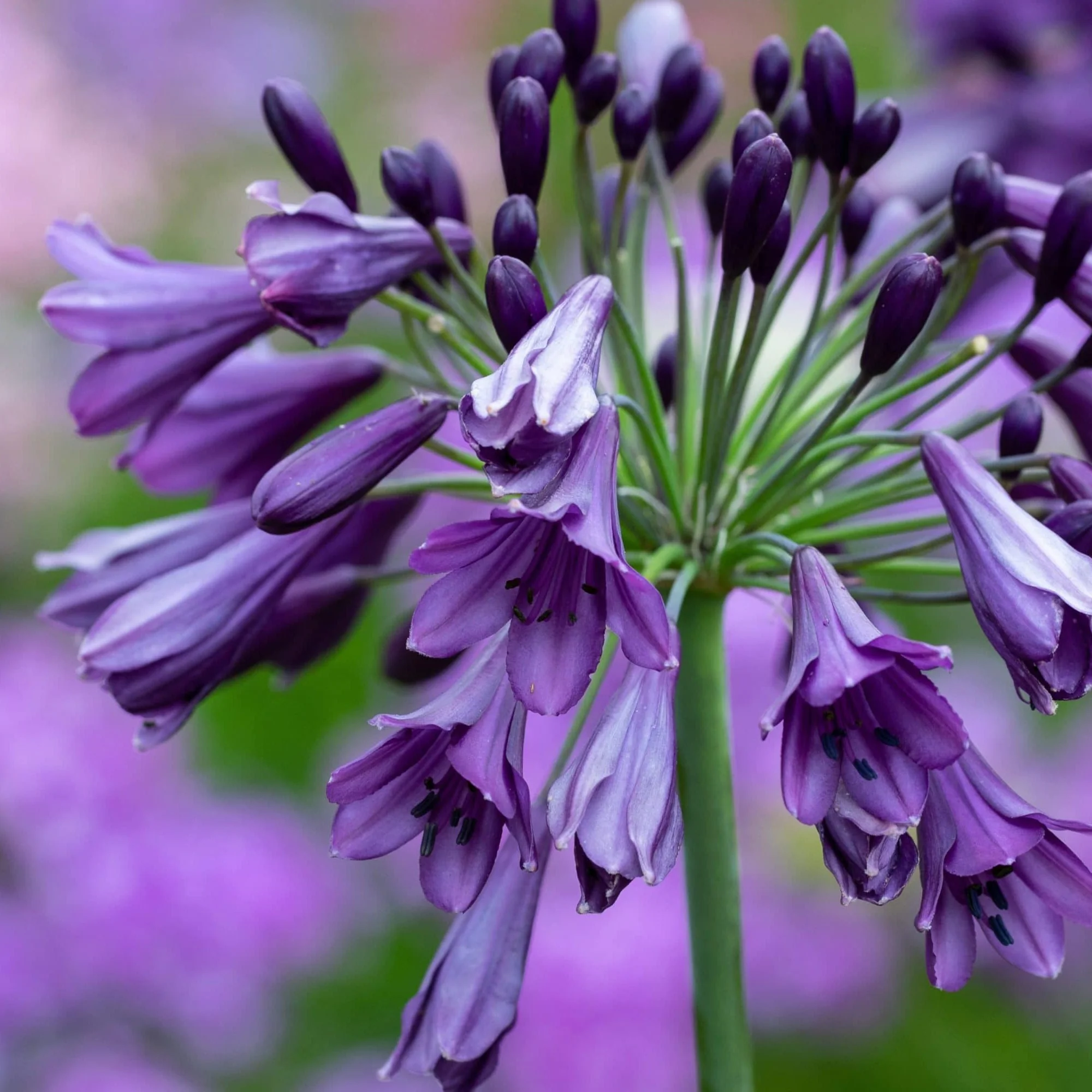
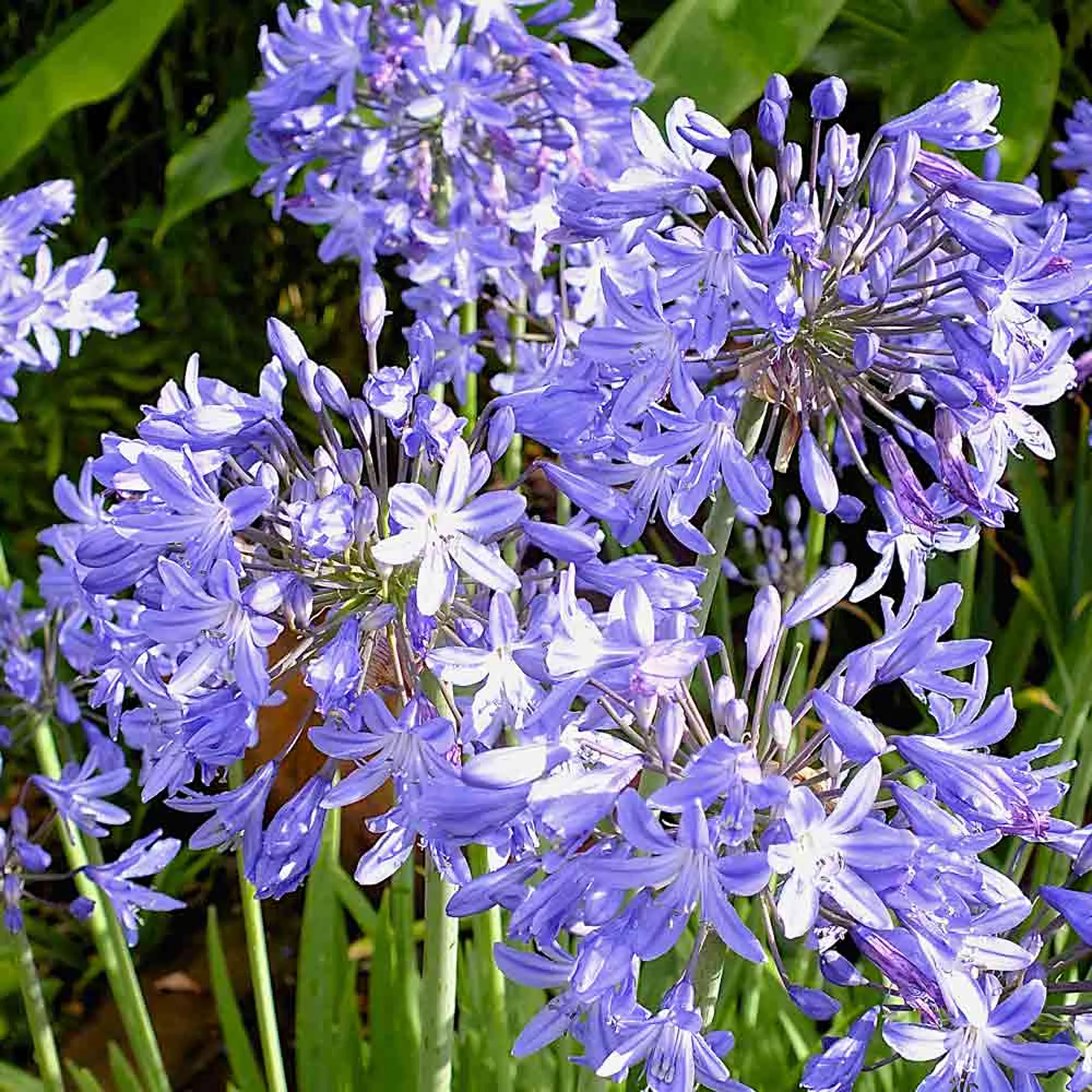
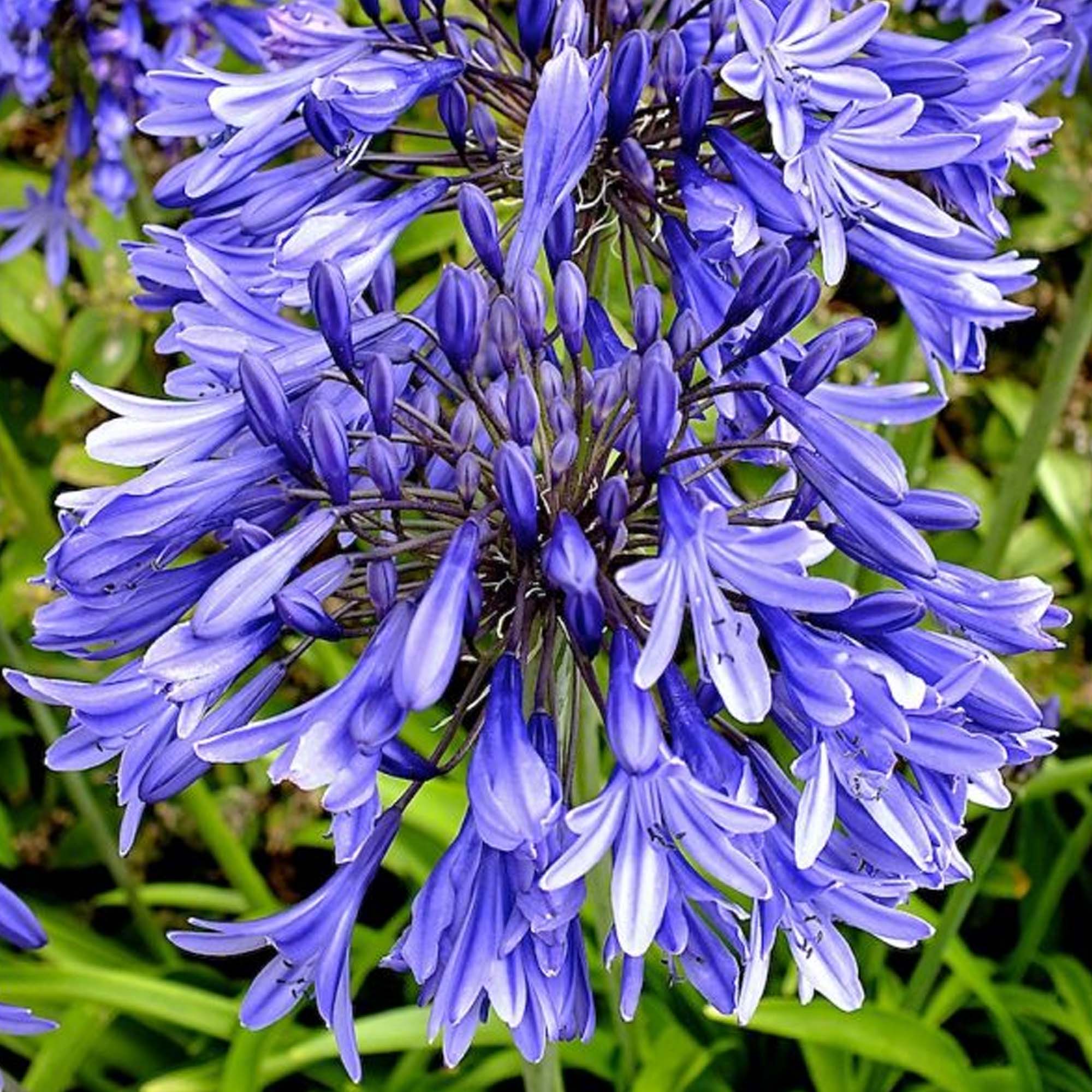
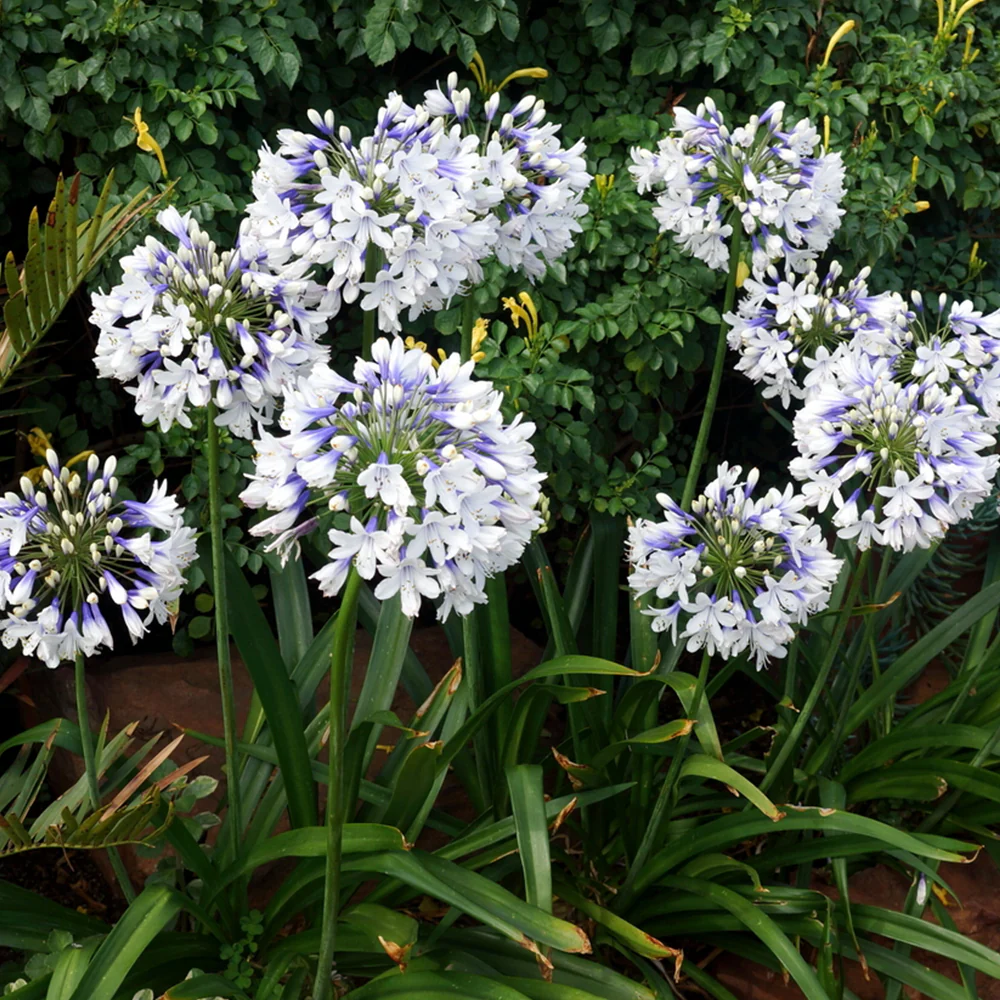
A single stalk thrusts the beautiful flower heads skyward and results in these plants having beautiful flower heads that form in rounded clusters of 7-10 cm. The funnel-shaped florets are clustered together, several dozens in one flower head, anywhere from 50-70 florets. The colors of these flowers range from pale blues to deep purple-blues or indigo.
Although they can be hardy enough to survive winters of down to -10°C. They will need to be sheltered and protected with a thick layer of mulch. These plants grow well in border areas that are protected and in full sun
Many people keep these plants in pots and transfer them indoors during the coldest months in order to have a more “evergreen” like version of this plant.
Original: $14.00
-70%$14.00
$4.20Product Information
Product Information
Shipping & Returns
Shipping & Returns
Description
They are often used in flower arrangements to add beautiful accents of blues. They form from rhizomes and will need to have these main clumps divided every three or four years. It is a clumping, bulb-like perennial. And a deciduous plant with narrow, strap-like leaves, almost like a wide grass. If kept outdoors will loose its leaves in preparation for winter.
A single stalk thrusts the beautiful flower heads skyward and results in these plants having beautiful flower heads that form in rounded clusters of 7-10 cm. The funnel-shaped florets are clustered together, several dozens in one flower head, anywhere from 50-70 florets. The colors of these flowers range from pale blues to deep purple-blues or indigo.
Although they can be hardy enough to survive winters of down to -10°C. They will need to be sheltered and protected with a thick layer of mulch. These plants grow well in border areas that are protected and in full sun
Many people keep these plants in pots and transfer them indoors during the coldest months in order to have a more “evergreen” like version of this plant.