


Doodia aspera
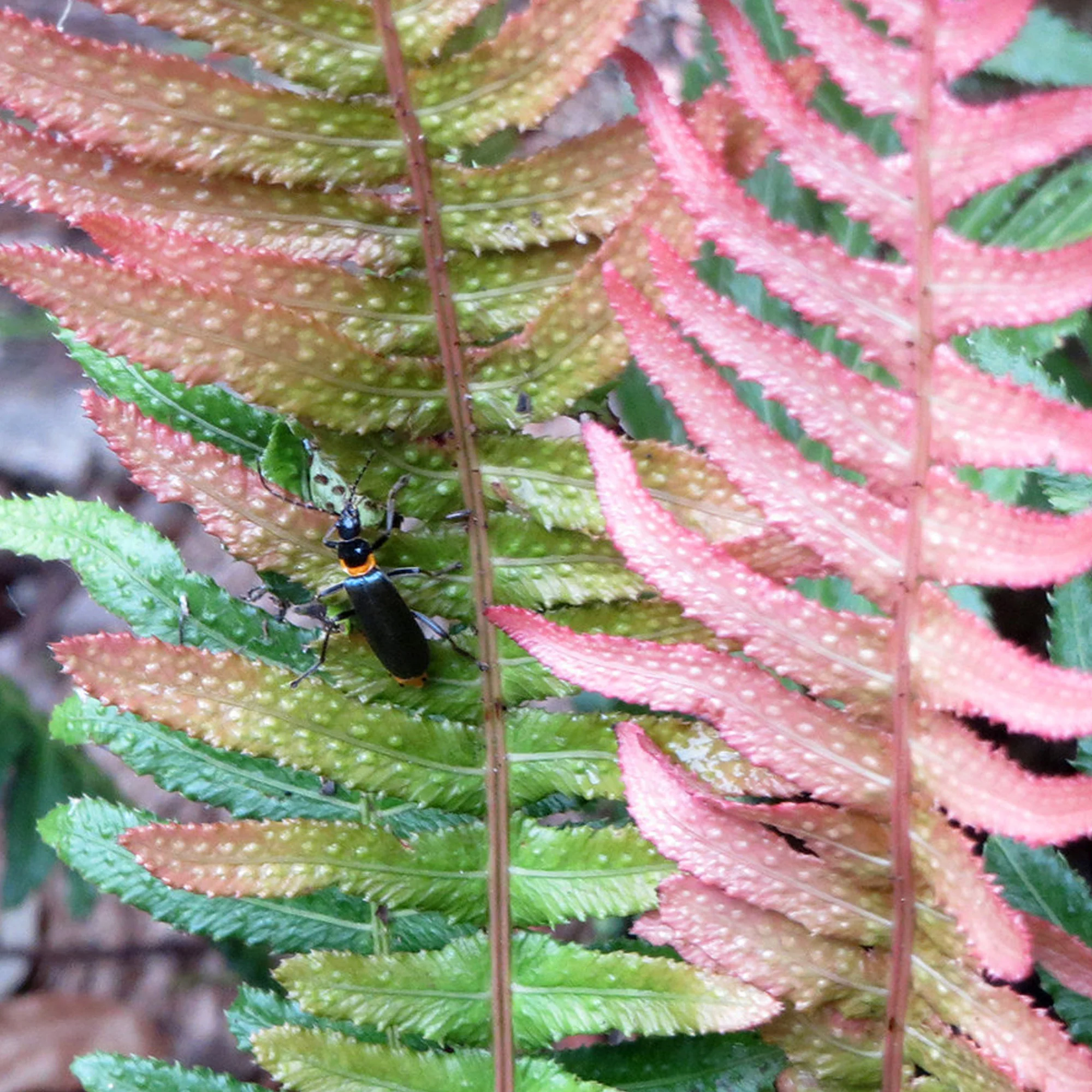
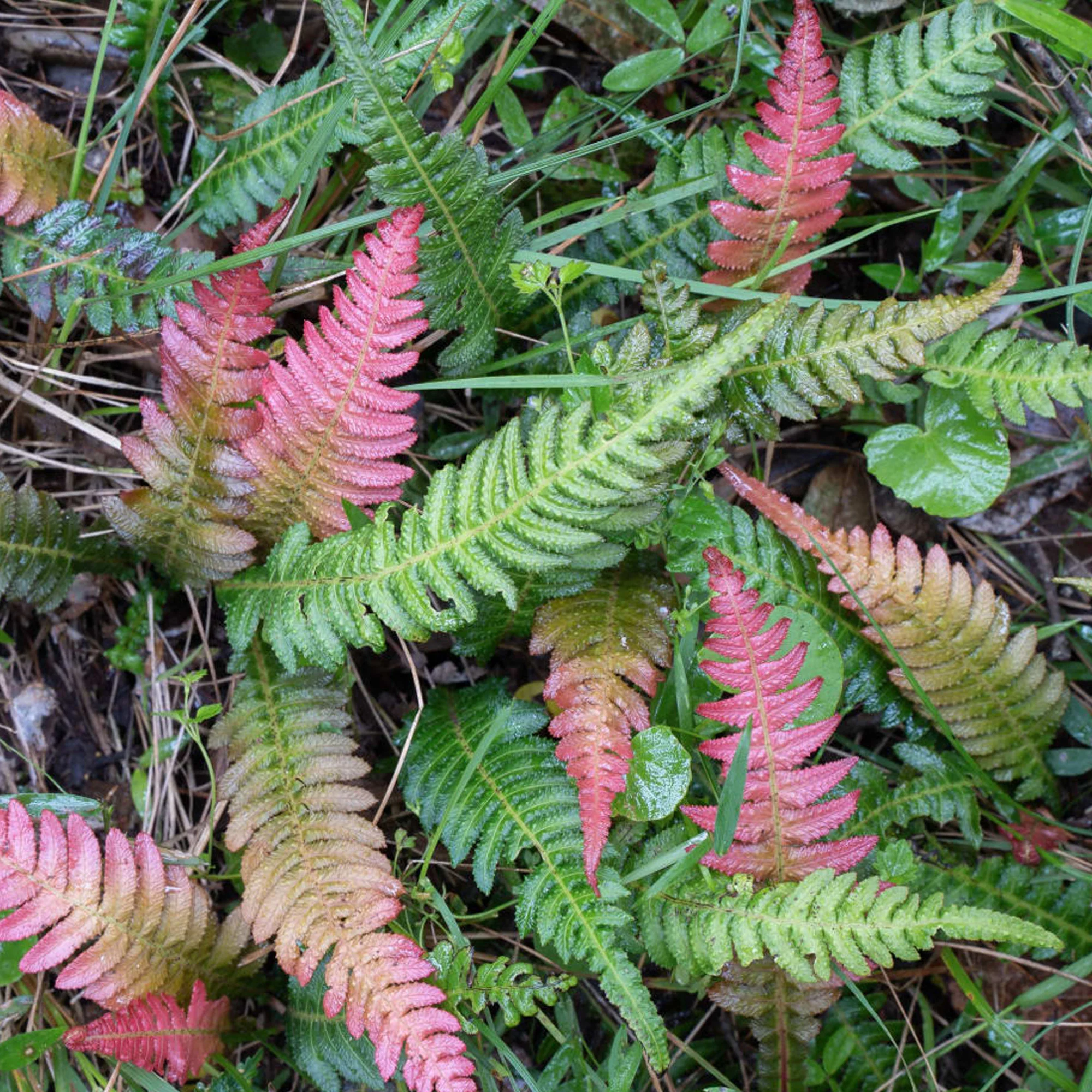
Doodia Aspera, also commonly known as the Prickly Rasp Fern, is an evergreen, outdoor fern plant with unique, toothed leaves which emerge in shade of deep, fiery red before fading to green as they mature. Although this fern is evergreen, it can lose some foliage during extremely cold winters, and so will benefit from some winter protection.
The Rasp Fern will grow best in moist, well-drained soil in shade or partial shade. They are excellent plants for adding year-round colour and texture to partially sunny or shady borders and rock gardens or filling in gaps between trees and shrubs.
Please Note: Images are for illustrative purposes only and designed to be a representation of the item(s) being sold. The plant will be supplied in a growers pot. Depending on seasonality, deciduous plants may be supplied in their dormant state and without leaves. Plants may also be pruned back, lower than stated heights, to encourage new growth.
Product Information
Product Information
Shipping & Returns
Shipping & Returns
Description
Doodia Aspera, also commonly known as the Prickly Rasp Fern, is an evergreen, outdoor fern plant with unique, toothed leaves which emerge in shade of deep, fiery red before fading to green as they mature. Although this fern is evergreen, it can lose some foliage during extremely cold winters, and so will benefit from some winter protection.
The Rasp Fern will grow best in moist, well-drained soil in shade or partial shade. They are excellent plants for adding year-round colour and texture to partially sunny or shady borders and rock gardens or filling in gaps between trees and shrubs.
Please Note: Images are for illustrative purposes only and designed to be a representation of the item(s) being sold. The plant will be supplied in a growers pot. Depending on seasonality, deciduous plants may be supplied in their dormant state and without leaves. Plants may also be pruned back, lower than stated heights, to encourage new growth.