

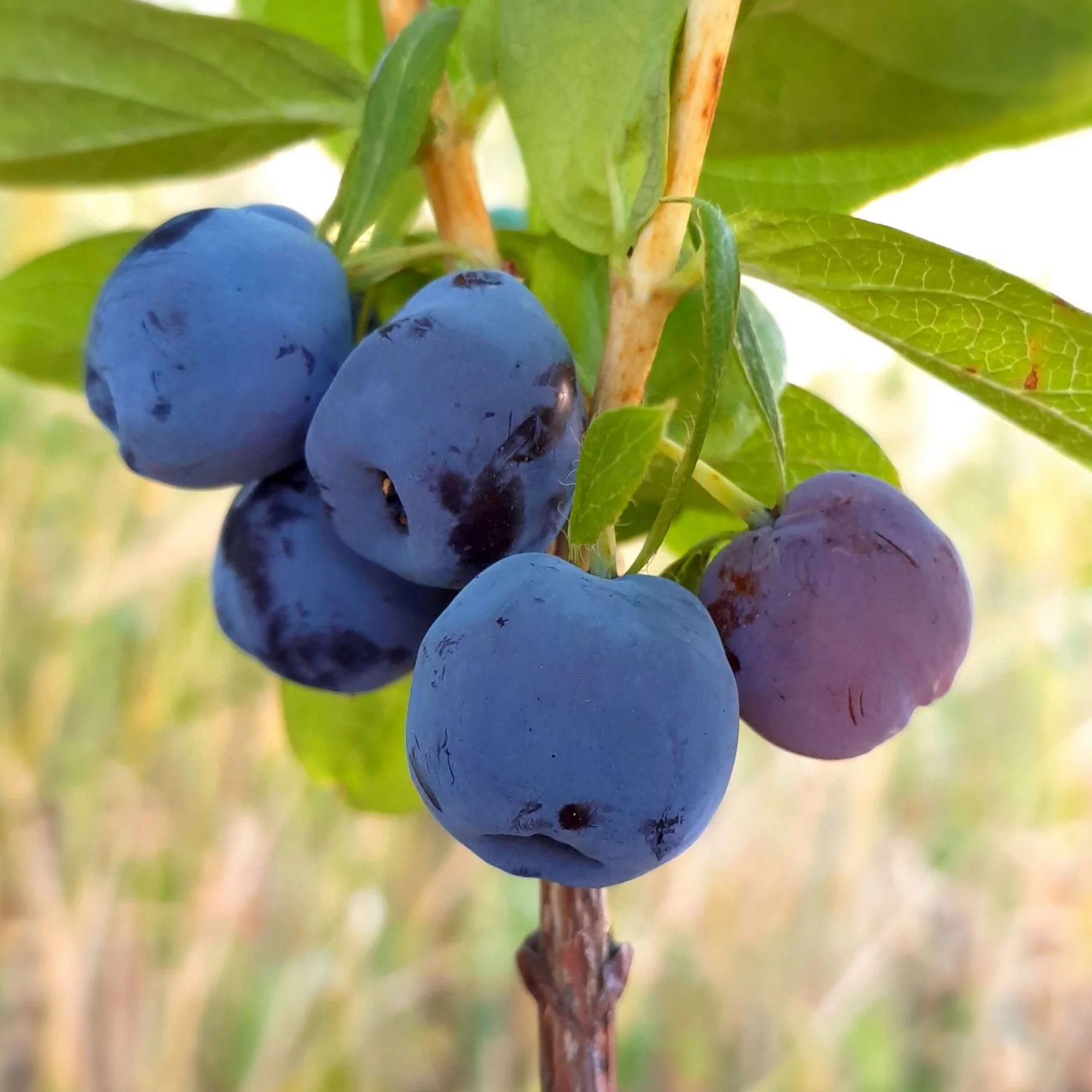

Honeyberry 'Blue Treasure'
Honeyberry Blue Treasure is a deciduous shrub that produces elongated, blue berries with a sweet and juicy flavor. This variety is perfect for fresh eating, baking, and making preserves. The plant blooms with small, yellow flowers in early spring, followed by a late spring to early summer harvest of berries.
Growing up to 150cm tall and 120cm wide, Honeyberry Blue Treasure is suitable for garden beds and containers. It thrives in well-drained, slightly acidic soil and prefers full sun to partial shade. Regular watering, particularly during the fruiting season, ensures healthy growth and a good berry yield. With its high fruit quality and early harvest, Honeyberry Blue Treasure is a valuable addition to any garden.
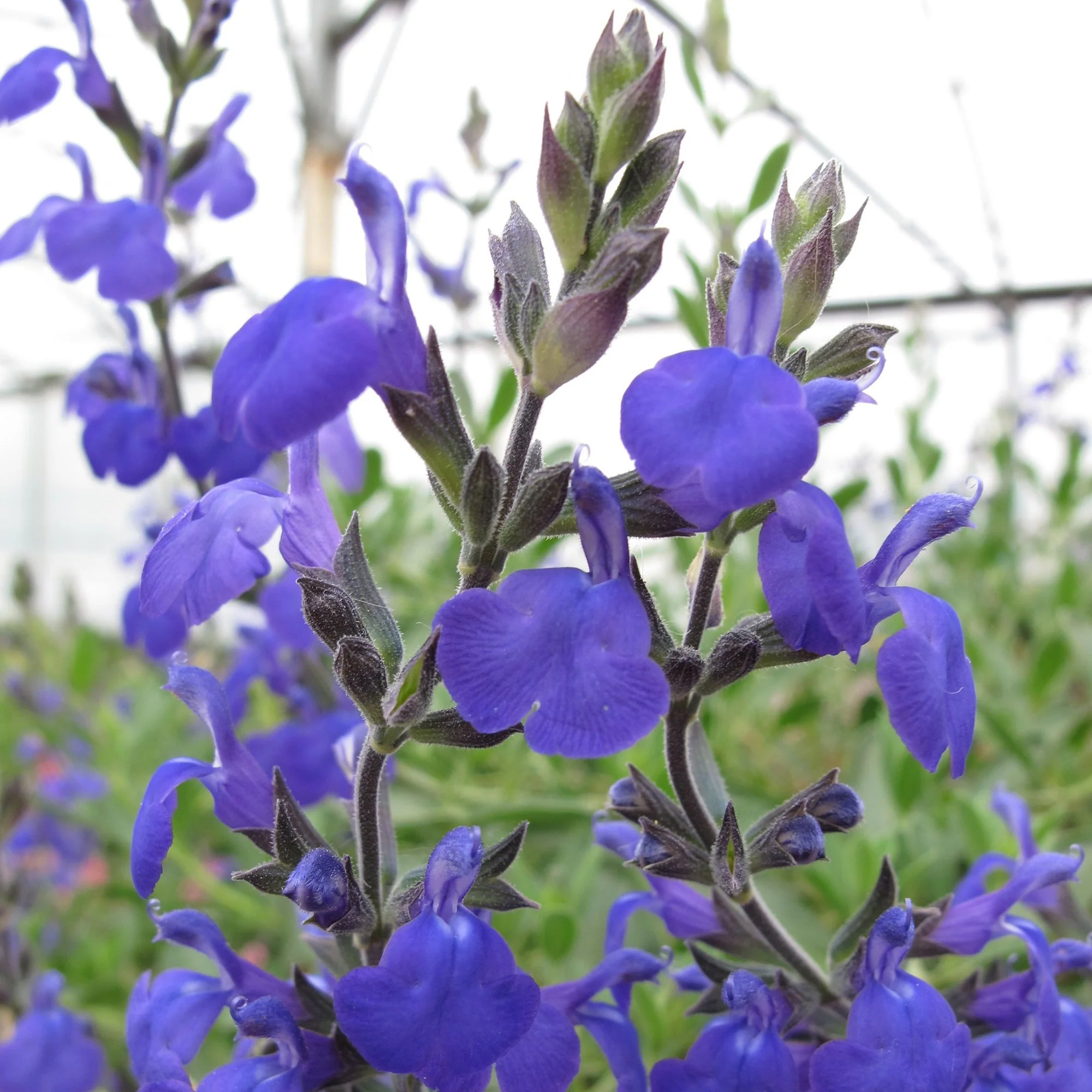
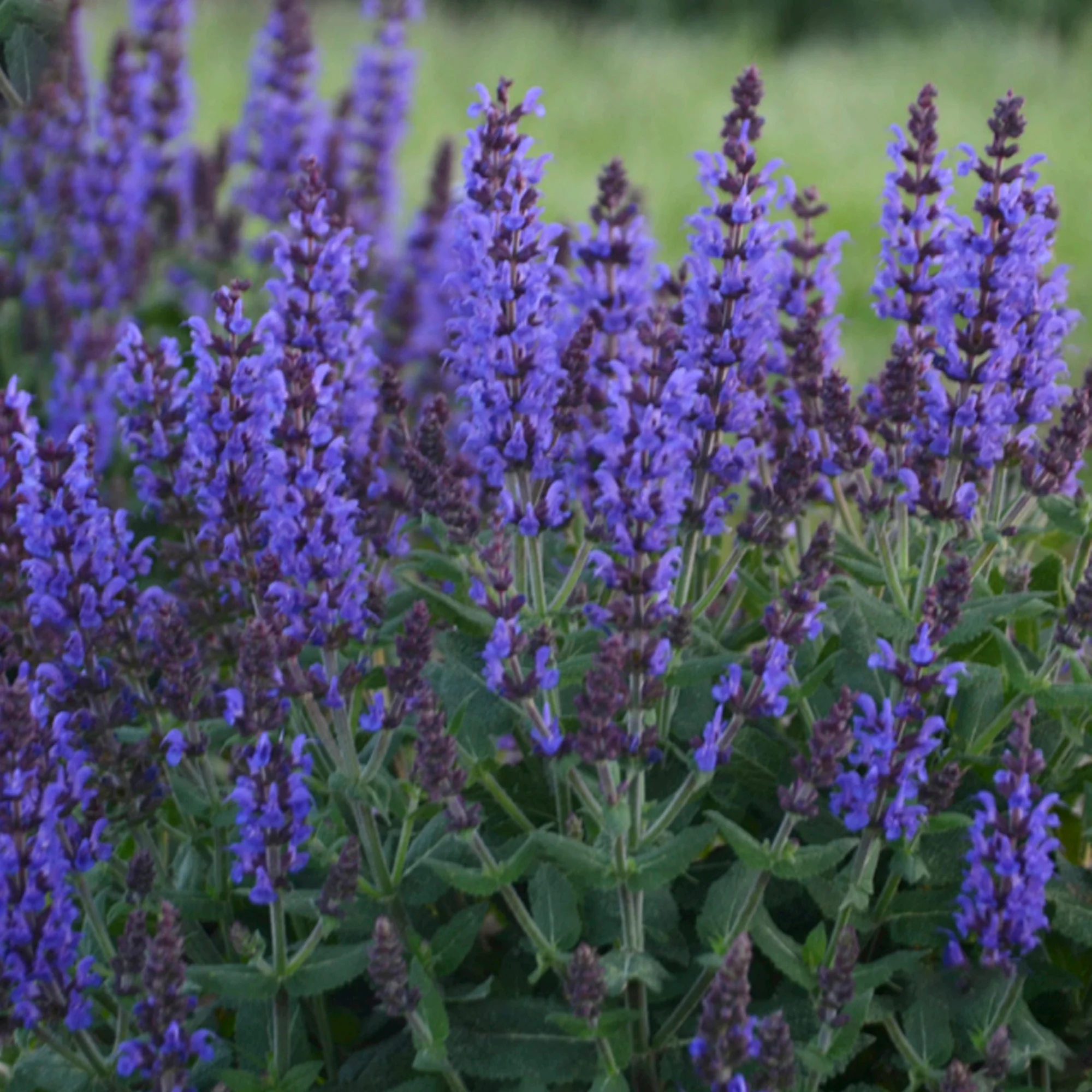
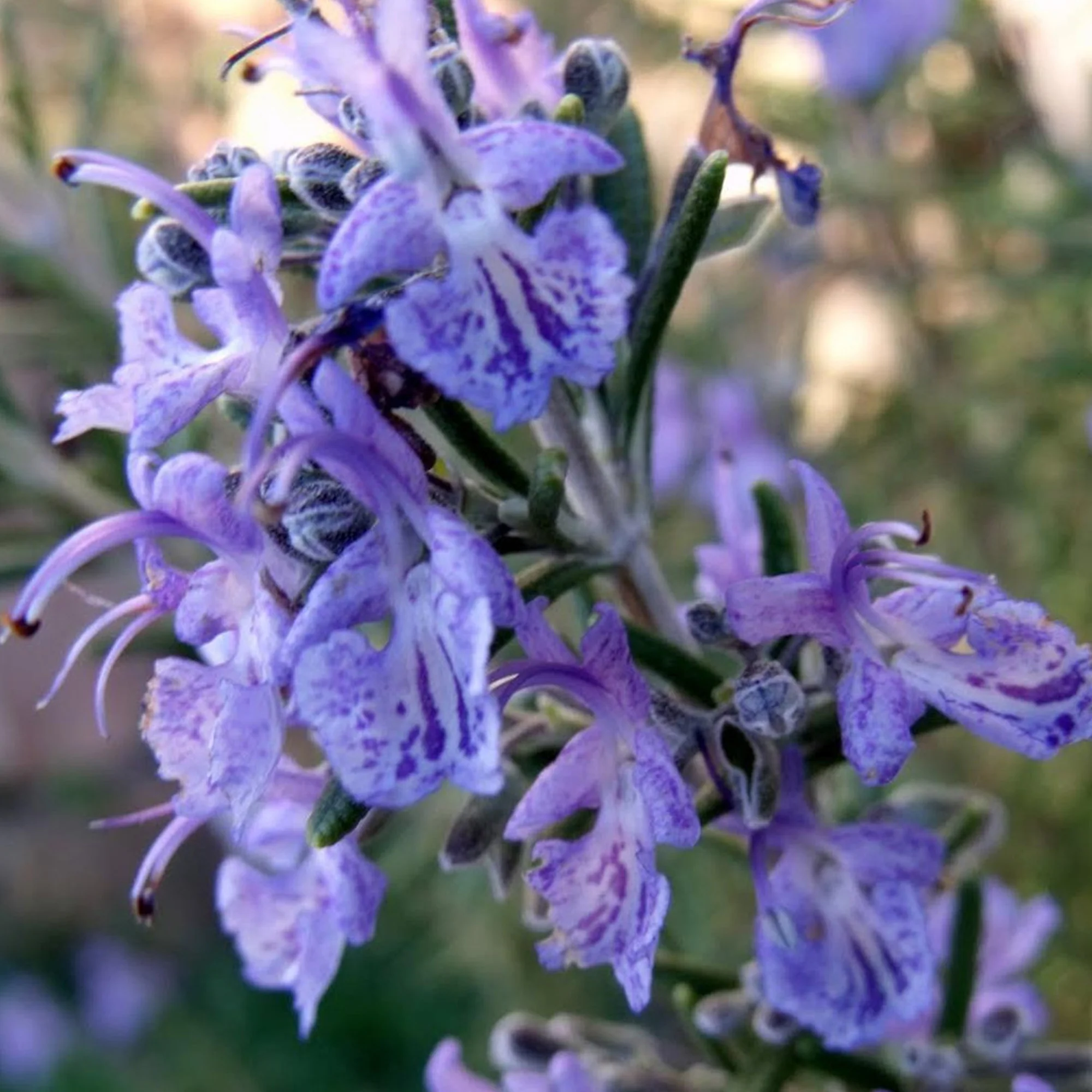
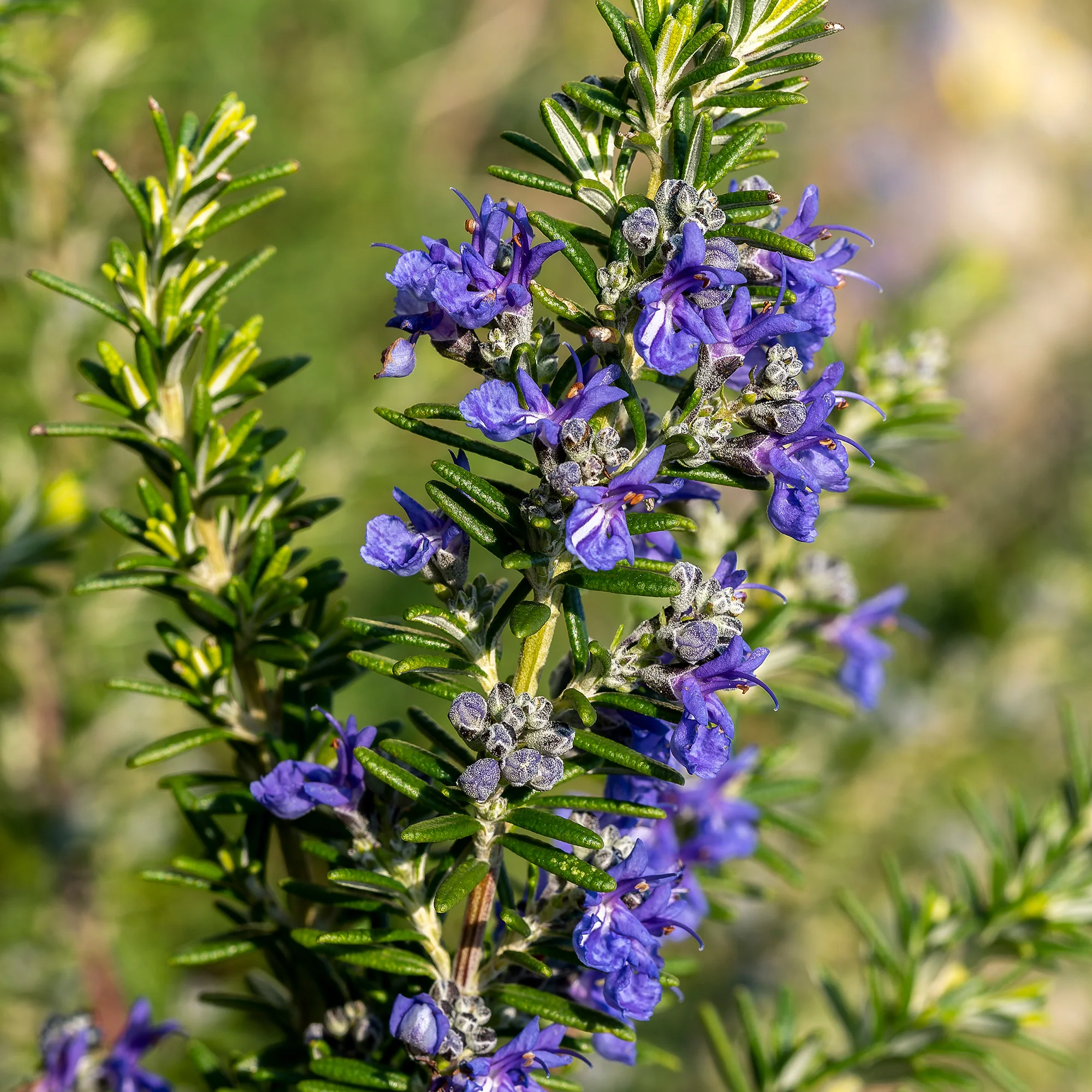
Please Note: Images are for illustrative purposes only and designed to be a representation of the item(s) being sold. Depending on seasonality, deciduous plants may be supplied in their dormant state and without leaves. Plants may also be pruned back, lower than stated heights, to encourage new growth.
Product Information
Product Information
Shipping & Returns
Shipping & Returns
Description
Honeyberry Blue Treasure is a deciduous shrub that produces elongated, blue berries with a sweet and juicy flavor. This variety is perfect for fresh eating, baking, and making preserves. The plant blooms with small, yellow flowers in early spring, followed by a late spring to early summer harvest of berries.
Growing up to 150cm tall and 120cm wide, Honeyberry Blue Treasure is suitable for garden beds and containers. It thrives in well-drained, slightly acidic soil and prefers full sun to partial shade. Regular watering, particularly during the fruiting season, ensures healthy growth and a good berry yield. With its high fruit quality and early harvest, Honeyberry Blue Treasure is a valuable addition to any garden.
Please Note: Images are for illustrative purposes only and designed to be a representation of the item(s) being sold. Depending on seasonality, deciduous plants may be supplied in their dormant state and without leaves. Plants may also be pruned back, lower than stated heights, to encourage new growth.