

Lavatera 'Mary Hope'
“Mary Hope” differentiates itself from other varieties of Lavatera by having an extraordinarily beautiful flower. Composed of a brilliant white with a contrasting and very vibrant violet colour towards the centre of each petal.
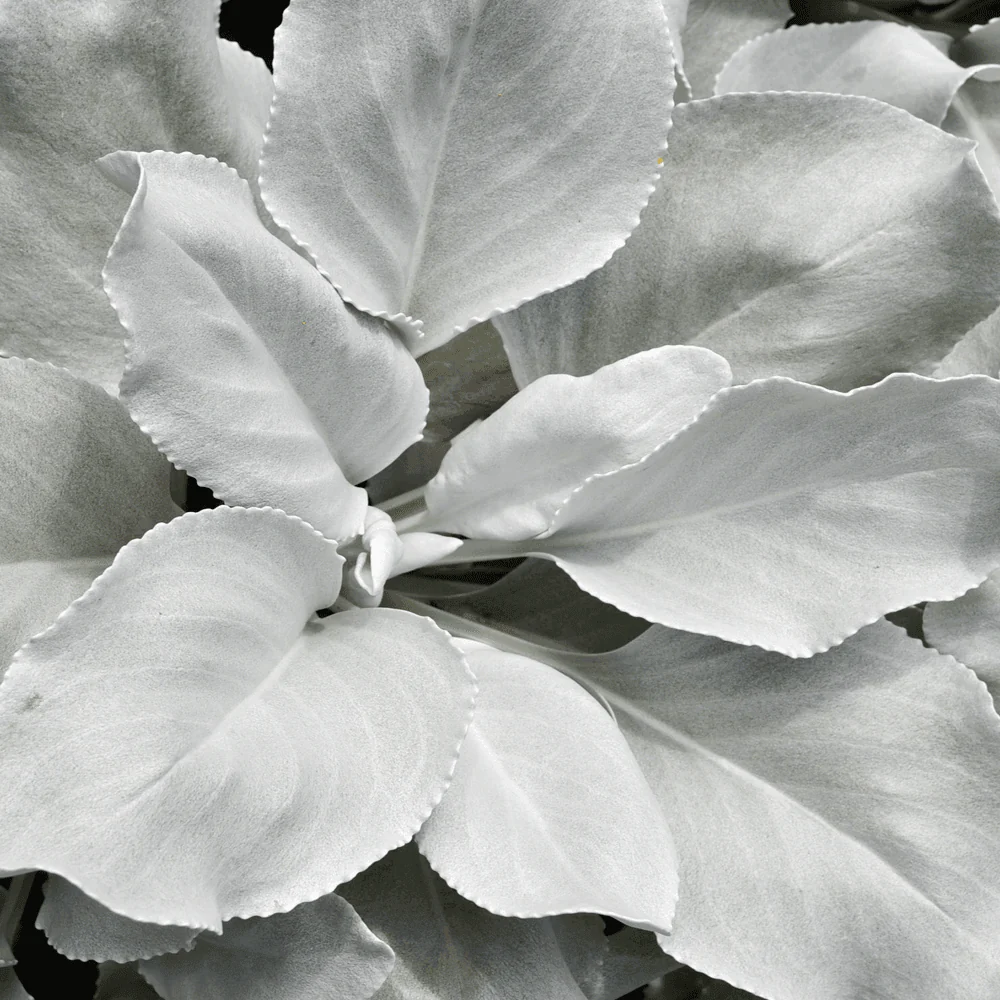
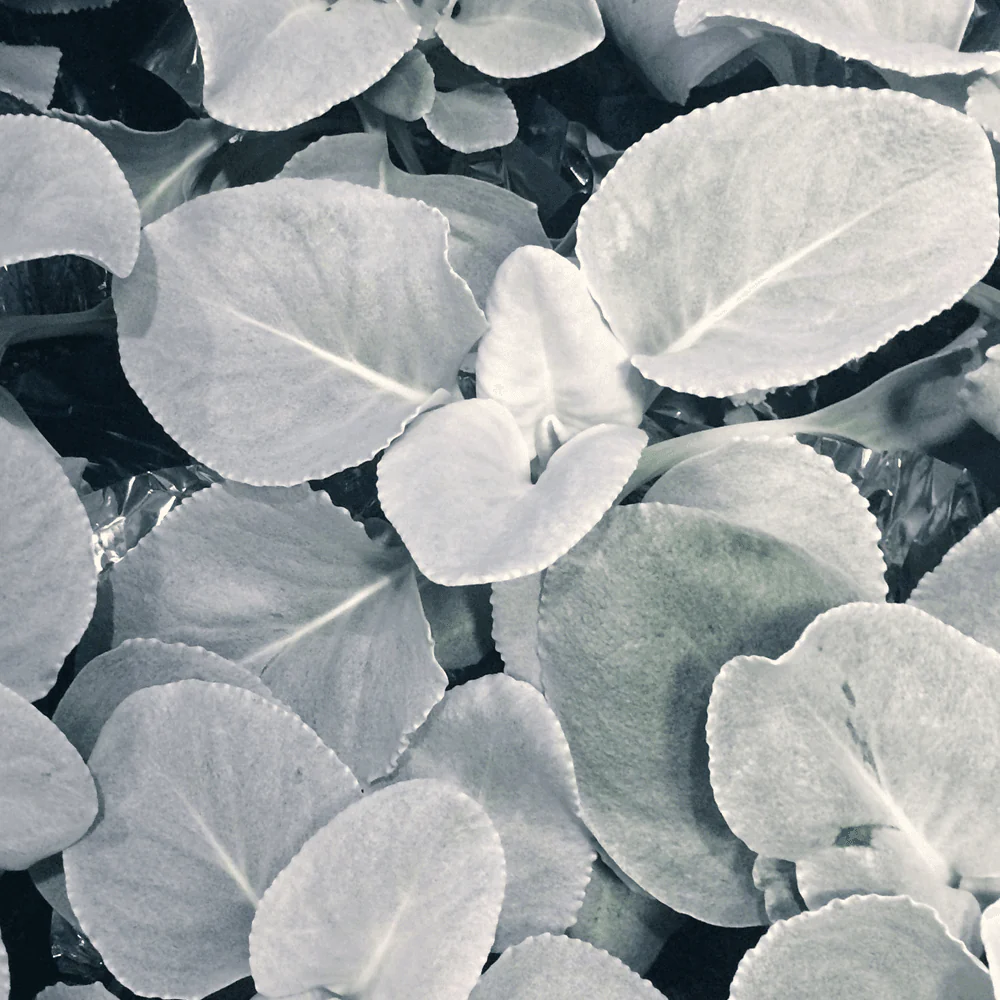
Leaves are of a grey-green to dark green colour and are palmately, composed of three-lobes.
Even though it prefers full sun, it does require a protected or sheltered position in order to tolerate the frigid winds of winter. It is a perennial and will return the following year. In case of significant frost damage, it can be pruned back to its basal stalks.
Can be planted in a variety of soil types, as long as they are in areas of full sun. Some suggested plantings include trellising or areas along walls or borders. In addition, they are great for informal areas, like around a cottage or border woodland area.
Great for bees and other related pollinators. These insects are attracted to the wonderfully distinct flowers. The petals of which are paper thin and reminiscent of the related species of hibiscus.
Product Information
Product Information
Shipping & Returns
Shipping & Returns
Description
“Mary Hope” differentiates itself from other varieties of Lavatera by having an extraordinarily beautiful flower. Composed of a brilliant white with a contrasting and very vibrant violet colour towards the centre of each petal.
Leaves are of a grey-green to dark green colour and are palmately, composed of three-lobes.
Even though it prefers full sun, it does require a protected or sheltered position in order to tolerate the frigid winds of winter. It is a perennial and will return the following year. In case of significant frost damage, it can be pruned back to its basal stalks.
Can be planted in a variety of soil types, as long as they are in areas of full sun. Some suggested plantings include trellising or areas along walls or borders. In addition, they are great for informal areas, like around a cottage or border woodland area.
Great for bees and other related pollinators. These insects are attracted to the wonderfully distinct flowers. The petals of which are paper thin and reminiscent of the related species of hibiscus.